When it comes to exporting fragile items over long distances, mastering the art of packaging is essential. John Smith, a leading expert in shipping logistics, emphasizes, "Proper packaging defines the journey of fragile items.” His insight highlights the crucial balance between safety and practicality in packaging.
Fragile items require careful consideration and specific materials. Using bubble wrap and foam padding can significantly reduce the risk of damage. Choosing the right box is equally important. Ensure that the box fits snugly around the item without excessive movement. Additionally, labeling the box as fragile increases awareness during handling, but it’s not a fail-safe measure.
Mistakes can occur, even with the best practices in mind. Improper sealing could lead to moisture damage. Items packed too loosely might shift and break. It’s vital to reflect on potential shortcomings in your approach. By understanding how to package fragile items for long-distance export, you can enhance the chances of a safe delivery.
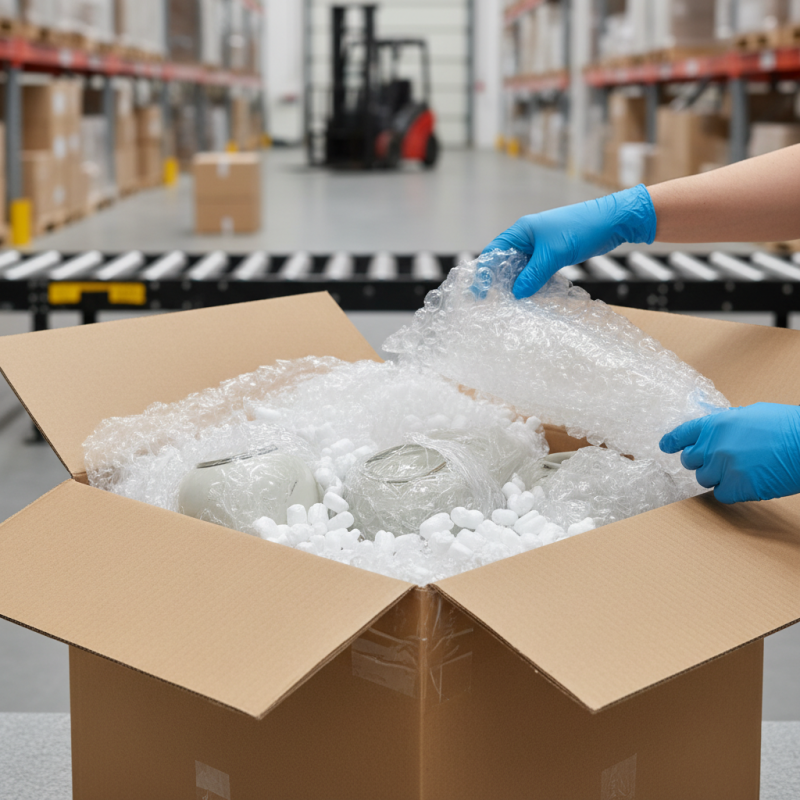
When it comes to packaging fragile items for long-distance export, understanding the importance of proper packaging cannot be overstated. Fragile items are sensitive to impact and environmental changes. An effective packaging process considers both protection and presentation. Careful selection of materials is crucial. Use bubble wrap for cushioning, and sturdy cardboard boxes to shield against external pressure.
Effective packing goes beyond just materials. Each item requires individual attention to detail. Secure items tightly, ensuring they do not shift during transit. This minimizes the risk of damage. Use dividers for smaller items. Pay special attention to corners and edges, as they are often the most vulnerable parts. Always label boxes as 'Fragile' to alert handlers.
In many cases, businesses overlook small but significant elements. The choice of box size should not be taken lightly. Too much empty space invites risk; too snug can cause damage. Reinforcing the box with tape can add an extra layer of safety. Reflecting on past shipments can reveal where improvements are needed. With this awareness, a more reliable shipping process emerges, reducing breakage rates and enhancing customer satisfaction.
| Tip | Description | Material Suggested | Additional Notes |
|---|---|---|---|
| Use Quality Packing Materials | Choose durable boxes to withstand long-distance travel. | Double-walled cardboard boxes | Consider reinforced boxes for very fragile items. |
| Cushioning Materials | Use bubble wrap, foam peanuts, or air pillows to fill the voids. | Bubble wrap, Foam sheets | Make sure to fully protect the item. |
| Label as Fragile | Clearly mark boxes containing fragile items. | Fragile stickers or printed labels | Use bright colors for visibility. |
| Test Packaging | Conduct drop tests to assess packaging integrity. | Similar weight items | Ensure it can withstand shipping conditions. |
| Consider Temperature and Humidity | Avoid materials sensitive to temperature and moisture changes. | Water-resistant materials | Invest in temperature-controlled shipping if necessary. |
: Sturdy boxes with foam inserts and cushioning materials like bubble wrap are ideal.
Use adequate cushioning to fill voids in boxes. This prevents movement and potential breakage.
Labeling alerts handlers to exercise care while handling. It can help prevent accidents.
Wrap each item individually to avoid direct contact. Use quality packing materials for protection.
Use snug-fitting boxes and fill empty spaces with cushioning materials to prevent movement.
Yes, a drop test helps identify weak points in your packaging and improve protection.
Yes, overly heavy boxes can increase the risk of damage during transport.
A sturdy, double-walled box is recommended for better protection.
Use packing tape to reinforce all edges of the box securely.
Focus on the type of items being packaged; each has unique needs that should be addressed.
When considering how to package fragile items for long-distance export, it’s crucial to understand the importance of proper packaging to ensure the items reach their destination in perfect condition. Start by choosing the right materials that can provide adequate protection, such as cushioned packing materials, sturdy boxes, and appropriate fillers to minimize movement during transit.
Follow a step-by-step guide to securely pack each item, ensuring that they are well-cushioned and arranged carefully within the box. Before shipping, it's essential to test your packaging for durability to withstand the rigors of long-distance transport. Finally, clearly label your boxes and include handling instructions to alert carriers to the fragile nature of the contents, reducing the risk of damage during handling and transit. Taking these steps will significantly enhance the likelihood of successful delivery of fragile goods.

 RLL Logistics