When considering international shipping, many businesses and individuals ask, "how long does sea freight take from China to USA?" The answer depends on various factors, including shipping routes, port congestion, and the chosen shipping carrier. Sea freight is often the most economical choice, especially for large shipments.
Typically, shipping times range from 20 to 40 days. This timeline can vary based on the departure and arrival ports. For instance, ports like Los Angeles may have longer processing times due to higher traffic. It is essential to factor in these potential delays when planning.
Moreover, unexpected circumstances can impact shipping schedules. Weather conditions, customs clearance, and logistical issues may cause further delays. Understanding these variables is crucial for anyone relying on timely deliveries. By gathering accurate information on shipping times, you can better prepare for your inbound goods.
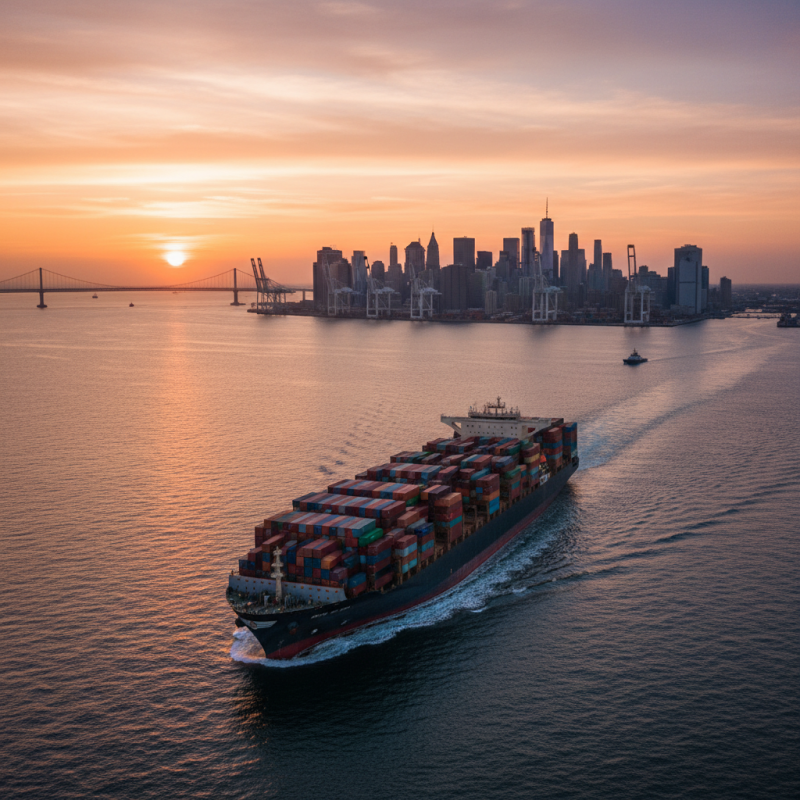
Understanding Sea Freight: An Overview of Transportation from China to USA
Sea freight from China to the USA is a vital component of international trade. Companies choose this method for its cost-effectiveness and capacity to handle large volumes. Typically, shipping goods by sea takes between 15 to 45 days, influenced by factors such as port congestion and the shipping route chosen. Notably, the Port of Los Angeles and the Port of Long Beach are among the busiest in the United States, often causing delays due to heavy traffic.
Understanding the sea freight process is essential. The journey begins with booking a container. This may involve freight forwarders who possess expertise in navigating customs regulations. According to the International Maritime Organization, around 80% of global trade by volume occurs via shipping. However, companies often overlook the unpredictability of transit times. This can lead to unexpected delays and may impact inventory management.
Moreover, not all goods travel smoothly through the supply chain. Incidents like extreme weather or disruptions at ports can lead to delays. It's crucial for businesses to constantly assess their shipping strategies. Factors such as the choice of freight forwarders and the adequacy of packing can significantly affect the timeline. In maritime logistics, continuous improvement and adaptation are key to ensuring reliability in an ever-changing environment.
Key Factors Affecting Sea Freight Duration Between China and USA
When considering sea freight from China to the USA, many factors come into play.
The distance between ports is significant. A journey usually takes 20 to 40 days.
However, this is not the whole picture. Port congestion can delay shipments.
High traffic times, like holidays, may result in unexpected delays.
Another crucial factor is the chosen shipping route.
Routes with fewer stops can save time.
Similarly, weather conditions impact transit times.
Storms and adverse weather can lead to rerouting or delays.
Choosing a reliable freight forwarder is essential.
They have experience navigating these challenges.
Customs procedures are also pivotal.
Proper documentation can expedite the clearance process.
Incomplete paperwork often leads to holdups.
Understanding these factors helps you plan effectively.
Expect some unpredictability in sea freight.
Always have contingency plans in place.
Typical Transit Times for Different Shipping Routes from China to USA
When shipping goods from China to the USA, transit times vary by route and shipping method. Typically, sea freight takes about 14 to 30 days. Factors like port congestion and weather conditions affect these times. The most common routes include major ports like Shanghai, Shenzhen, and Ningbo to Los Angeles, New York, and Houston.
For example, shipping from Shanghai to Los Angeles usually takes around 15 to 20 days. However, unexpected delays can happen. Shipping from Shenzhen to New York might take 20 to 28 days, depending on the chosen shipping line. Routes through the Pacific Ocean are generally faster, while deliveries to East Coast ports can take longer due to the distance involved.
Many businesses emphasize the importance of planning for potential delays. Some routes are less reliable due to congestion, especially during peak seasons. It's wise to have alternative plans in place. Understanding these transit times helps companies manage inventory better and communicate with their clients effectively.
How Long Does Sea Freight Take from China to USA? - Typical Transit Times for Different Shipping Routes
| Shipping Route |
Typical Transit Time (Days) |
Port of Departure |
Port of Arrival |
| Shanghai to Los Angeles |
13-17 |
Shanghai |
Los Angeles |
| Shenzhen to New York |
25-30 |
Shenzhen |
New York |
| Guangzhou to Chicago |
20-25 |
Guangzhou |
Chicago |
| Ningbo to Miami |
28-34 |
Ningbo |
Miami |
| Tianjin to Seattle |
18-22 |
Tianjin |
Seattle |
The Role of Customs Clearance in Sea Freight Timelines
Customs clearance is a crucial step in the sea freight process from China to the USA. It can significantly impact the overall timeline. When goods arrive, they must go through customs inspections. This ensures compliance with regulations and takes time. Delays can occur if documentation is incomplete or if there are discrepancies.
Being prepared is essential. Accurate paperwork speeds up the process. This includes invoices, packing lists, and certificates of origin. It’s vital to understand local regulations and requirements. Misunderstandings can lead to costly hold-ups. Customs agents may ask for additional documents, creating unexpected delays.
Also, consider the possibility of random inspections. These checks can prolong transit times. Freight forwarders play a key role here. Their expertise helps navigate customs regulations. They can anticipate potential issues and work towards solutions. Understanding the customs clearance process can improve overall freight efficiency.
Optimizing Shipping Schedules: Tips for Faster Sea Freight Transits
When optimizing shipping schedules for sea freight from China to the USA, timely communication is vital. Delays can arise from paperwork mishaps or port congestion. According to a recent industry report, around 30% of shipping delays stem from documentation errors. Ensuring all documents are accurate can save days in transit time. Proper documentation expedites customs clearance, making the entire process smoother.
Choosing the right shipping route is another critical factor. Some routes may seem direct but can involve multiple stopovers. Research shows that direct routes can reduce shipping times by up to 20%. Engage with freight forwarders who understand the nuances of maritime logistics. They can offer insights into the best routes and help avoid common pitfalls.
Lastly, monitor carrier schedules closely. Sea freight often operates on a tight timeline, but unexpected events can disrupt this. A study highlighted that missed connections at ports can extend delivery times significantly. Staying informed about potential delays can help businesses adjust their logistics accordingly. Efficient management of these factors can lead to faster sea freight transits, enhancing overall supply chain performance.
How Long Does Sea Freight Take from China to USA?
This chart illustrates the average shipping time (in days) for sea freight from different ports in China to various ports in the USA. The data represents typical transit times based on common shipping routes.
Conclusion
When considering the question of "how long does sea freight take from China to USA," it's essential to understand the various factors that influence transit times. Sea freight duration can vary based on shipping routes, port operations, and weather conditions. Typically, transit times range from 15 to 45 days, depending on the specific origin and destination ports chosen for shipping.
Additionally, customs clearance plays a vital role in the shipping timeline, as delays at this stage can extend total delivery times. To optimize shipping schedules and potentially reduce transit times, shippers should plan their routes carefully, ensure all documentation is in order, and communicate effectively with their freight forwarders. By understanding these elements, shippers can better anticipate sea freight durations from China to the USA.

 RLL Logistics